


I. Introduction
Challenges and Opportunities of Small Space Living
Living in small spaces—whether a 30㎡ studio, 50㎡ two-bedroom apartment, or a compact loft—presents unique challenges: limited square footage, difficulty in functional zoning, and the risk of a cluttered, cramped environment. However, small spaces also offer opportunities to embrace minimalism, creativity, and intentional design that prioritizes functionality without sacrificing style. According to the American Society of Interior Designers (ASID), modern small-space living is defined by “purposeful simplicity”—every piece of furniture must serve a clear function while contributing to the overall aesthetic. For European and American urban dwellers, small-space living has become increasingly common due to rising housing costs, making smart furniture choices more critical than ever.
Unique Value of Bent Wood Furniture in Small Spaces
Bent wood furniture stands out as an ideal solution for small spaces, thanks to its inherent design and material advantages. Unlike traditional straight-wood furniture, which often features rigid, bulky shapes that waste space, bent wood’s smooth curves and compact profiles maximize every inch of available area. Its versatility, durability, and aesthetic appeal make it a favorite among interior designers specializing in small-space改造. Architectural Digest notes that bent wood furniture “balances form and function seamlessly, adding warmth and fluidity to tight spaces without overwhelming them”—a key benefit for small-space dwellers seeking both practicality and style.
II. Analysis of Small Space Characteristics
A. Space Limiting Factors
Area Constraints
The most obvious challenge of small spaces is limited square footage, which restricts the number and size of furniture pieces. In European and American cities like New York, London, and Berlin, average apartment sizes often range from 30-60㎡, meaning every piece of furniture must be carefully selected to avoid overcrowding. This constraint demands furniture that is compact, multi-functional, and visually lightweight.
Movement Line Planning
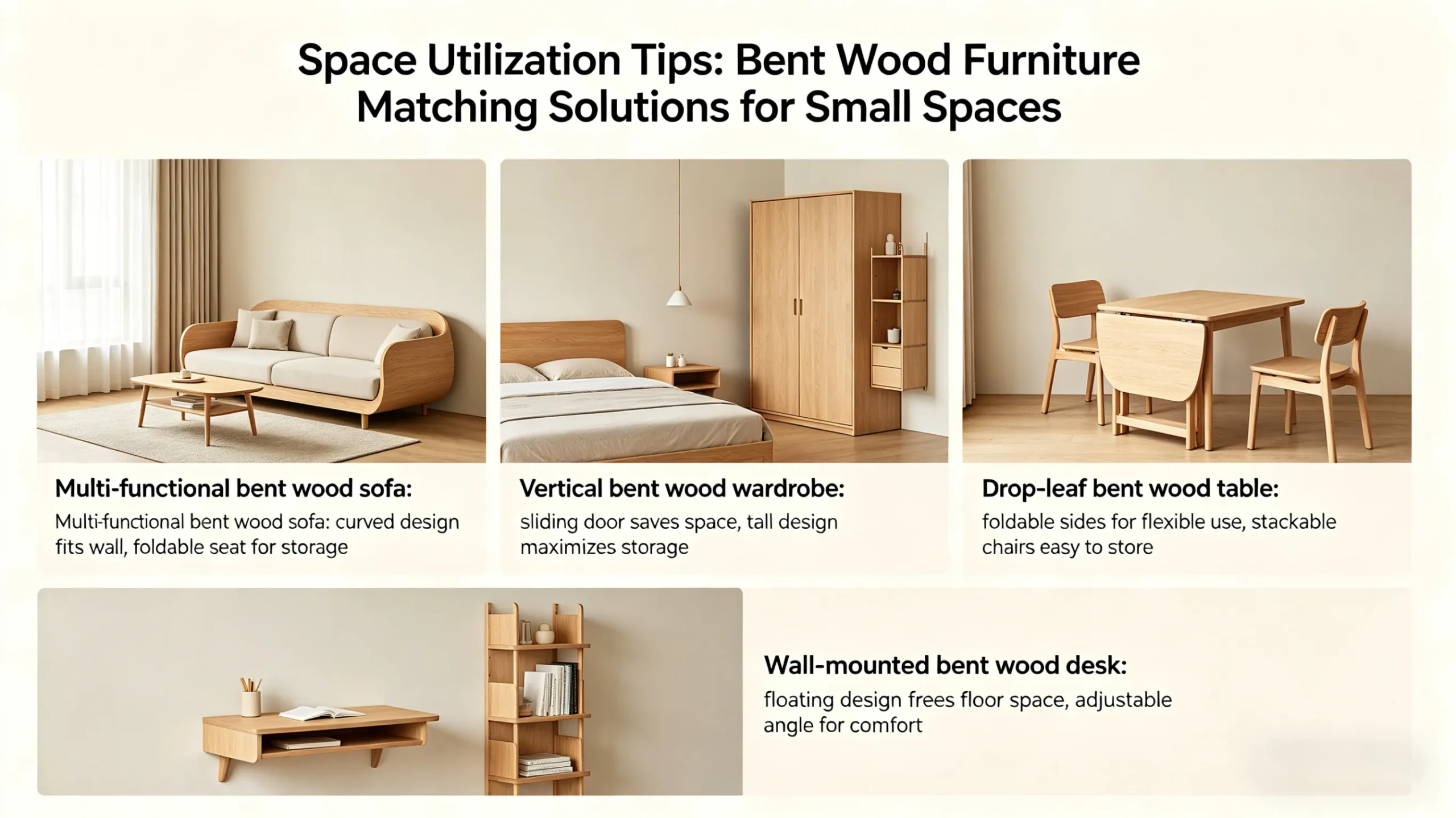
Small spaces require clear, unobstructed movement lines to avoid feeling cramped. Poorly planned furniture placement can block walkways, making the space feel even smaller and less functional. For example, a bulky sofa placed in the middle of a small living room can disrupt traffic flow, while a compact bent wood sofa positioned against the wall preserves valuable floor space for movement.
Functional Zoning
Creating distinct functional zones (living, dining, sleeping, working) in a small space is challenging, as there is little room for physical separation. Without proper zoning, the space can feel chaotic and disorganized. Furniture plays a crucial role in defining zones—for instance, a bent wood dining table can separate the dining area from the living area without the need for walls or dividers.
B. Design Principles for Small Spaces
Maximizing Space Utilization
The core principle of small-space design is to maximize every inch of available space, both horizontally and vertically. This means choosing furniture that is compact, multi-functional, and designed to fit into tight corners or unused areas. The Small Space Design Institute emphasizes that “space efficiency does not mean sacrificing comfort—it means choosing pieces that work harder for you.”
Visual Expansion Techniques
Visual expansion is key to making small spaces feel larger. This can be achieved through light colors, reflective surfaces, and furniture with sleek, lightweight profiles. Bent wood furniture, with its smooth curves and natural wood finish, helps create a sense of openness by avoiding sharp, heavy lines that can make a space feel closed-in.
Multi-functional Integration
In small spaces, every piece of furniture should serve multiple purposes. A sofa that converts into a bed, a coffee table with built-in storage, or a dining chair that doubles as a desk chair—these multi-functional pieces reduce the number of items needed, freeing up space. Bent wood’s flexibility makes it ideal for multi-functional design, as it can be shaped into forms that serve multiple uses.
III. Advantages of Bent Wood Furniture in Small Spaces
A. Space Optimization Features
Smooth Curves Save Space
The smooth, flowing curves of bent wood furniture eliminate sharp edges and bulky corners, allowing it to fit more seamlessly into tight spaces. Unlike straight-wood furniture, which often leaves gaps between pieces, bent wood’s curved profiles hug walls and corners, maximizing floor space. For example, a bent wood armchair with a curved back takes up less space than a straight-back chair while still providing ample comfort.
Compact Design
Most bent wood furniture is designed with compactness in mind, featuring slim profiles and streamlined shapes that prioritize space efficiency. Brands like IKEA and Hay offer bent wood pieces specifically designed for small spaces—such as compact bent wood sofas, narrow dining tables, and slim storage cabinets—that deliver functionality without taking up excess room.
Adjustability
Many modern bent wood furniture pieces are adjustable or foldable, allowing them to adapt to different needs and space constraints. For example, a bent wood dining table can expand to accommodate guests or fold down to save space when not in use, while a bent wood desk can be adjusted to different heights for sitting or standing. This adjustability makes bent wood furniture highly versatile for small spaces.
B. Visual Effects
Reduced Sense of Compression
The organic curves of bent wood furniture soften the harsh lines of small spaces, reducing the feeling of compression and claustrophobia. Straight, rigid furniture can make a small room feel boxy and cramped, while bent wood’s flowing shapes create a sense of movement and openness. According to Houzz, a leading home design platform, “curved furniture adds softness to small spaces, making them feel more inviting and less restrictive.”
Increased Spatial Layers
Bent wood furniture’s curved shapes and varied heights add depth and layers to small spaces, preventing them from feeling flat or one-dimensional. For example, a bent wood bookshelf with curved shelves creates visual interest, while a low-profile bent wood coffee table paired with a higher bent wood sofa adds vertical variation that expands the space visually.
Creating Sense of Flow
The smooth curves of bent wood furniture create a natural flow throughout the space, guiding the eye from one area to another. This sense of flow is particularly important in small spaces, as it helps connect different functional zones and makes the space feel larger and more cohesive. For example, a bent wood sofa with a curved armrest can lead the eye to a bent wood dining table, creating a seamless transition between the living and dining areas.
IV. Core Matching Techniques
A. Furniture Size Selection
Proportional Selection
When choosing bent wood furniture for small spaces, it’s critical to select pieces that are proportional to the room size. A large, overstuffed bent wood sofa will overwhelm a small living room, while a compact, slim-profile sofa will fit seamlessly. The Small Space Design Institute recommends following the “2/3 rule”: furniture should take up no more than 2/3 of the available floor space in any given area to maintain a sense of openness.
Expandable Designs
Opt for bent wood furniture with expandable designs to maximize flexibility. Expandable dining tables, foldable chairs, and adjustable shelves allow you to adapt the furniture to your needs—expanding when you have guests and folding down when you need more space. For example, a bent wood dining table that expands from 2 to 6 seats is perfect for small apartments that host occasional gatherings.
Modular Combinations
Modular bent wood furniture is ideal for small spaces, as it allows you to mix and match pieces to create a custom setup. Modular sofas, storage units, and workstations can be arranged in different configurations to fit the space and your needs. For example, a modular bent wood sofa can be split into individual chairs for extra seating or combined into a compact sofa for daily use.
B. Layout Strategies
Wall-placed Arrangement
Placing bent wood furniture against the walls is one of the simplest ways to save floor space and maintain clear movement lines. A bent wood sofa, desk, or dining table positioned against the wall frees up the center of the room, making it feel larger and more open. Avoid placing furniture in the middle of the room unless it is multi-functional and compact.
Corner Utilization
Corners are often underutilized in small spaces, but they can be transformed into functional areas with the right bent wood furniture. A bent wood corner sofa, corner desk, or corner storage cabinet fits perfectly into tight corners, maximizing space that would otherwise go to waste. For example, a bent wood corner dining table can seat 4-6 people without taking up valuable floor space in the center of the room.
Vertical Space Development
Don’t overlook vertical space when designing a small space. Bent wood shelving, wall-mounted cabinets, and tall storage units take advantage of vertical space, freeing up floor space for other furniture. For example, a wall-mounted bent wood desk frees up floor space for a chair, while a tall bent wood bookshelf provides ample storage without taking up much horizontal space.
C. Style Unity
Color Coordination
In small spaces, color coordination is key to creating a cohesive, visually expanded look. Choose bent wood furniture in neutral colors (white, gray, light oak, beige) to reflect light and make the space feel larger. Add subtle accent colors (soft blue, sage green, terracotta) through decor items to add visual interest without overwhelming the space. Pantone, the global color authority, recommends light, neutral tones for small spaces, as they “create a sense of airiness and openness.”
Material Unity
Maintaining material unity helps create a cohesive look in small spaces. Stick to bent wood furniture with consistent wood finishes (e.g., light oak, walnut) and pair it with complementary materials (metal, glass, linen) to avoid visual clutter. For example, a bent wood sofa with a light oak finish pairs well with a glass coffee table and metal accents, creating a streamlined, cohesive look.
Shape Echo
Echoing the curved shapes of bent wood furniture throughout the space creates a sense of harmony and flow. For example, a bent wood sofa with curved armrests can be paired with a bent wood coffee table with a curved top and bent wood dining chairs with curved backs. This repetition of curves ties the space together and creates a visually cohesive look.
V. Specific Matching Solutions for Different Functional Areas
A. Living Room
Bent Wood Sofa and Coffee Table Combination
For a small living room, choose a compact bent wood sofa (60-80 inches wide) with a slim profile and curved armrests. Pair it with a round or oval bent wood coffee table—round shapes eliminate sharp corners and save space. Opt for a coffee table with built-in storage (e.g., a shelf or drawer) to maximize functionality. For example, a light oak bent wood sofa paired with a round bent wood coffee table with a storage shelf creates a cozy, space-efficient living area.
Corner Storage Cabinet Design
Utilize corner space with a bent wood corner storage cabinet. Choose a tall, narrow cabinet with curved edges to fit seamlessly into the corner, providing ample storage for books, decor, and other items. A cabinet with glass doors can add visual lightness, while open shelves can display decorative items and keep frequently used items within reach.
Foldable Furniture Application
In small living rooms, foldable bent wood furniture is a game-changer. A foldable bent wood armchair can be stored against the wall when not in use, while a foldable bent wood side table can be pulled out when needed for drinks or snacks. This flexibility allows you to adapt the space to your needs without sacrificing style.
B. Dining Room
Round Dining Table Solutions
Round bent wood dining tables are ideal for small dining areas, as they save space and allow for easy conversation. Choose a table with a diameter of 36-48 inches—large enough to seat 4 people but compact enough to fit in tight spaces. Pair it with 2-4 compact bent wood dining chairs with slim profiles to avoid overcrowding.
Wall-mounted Folding Tables
For extremely small spaces, a wall-mounted folding bent wood dining table is the perfect solution. When not in use, it folds up against the wall, freeing up floor space. When needed, it folds down to provide a compact dining surface for 2-3 people. Pair it with foldable bent wood chairs that can be stored under the table when not in use.
Chair and Storage Integration
Choose bent wood dining chairs with built-in storage to maximize functionality. Some bent wood chairs feature under-seat storage compartments for napkins, placemats, or other dining essentials, while others have backrests with built-in shelves. This integration of storage and seating saves space and keeps the dining area organized.
C. Bedroom
Headboard Storage Design
A bent wood headboard with built-in storage is a great way to save space in a small bedroom. Choose a headboard with shelves, drawers, or cubbies to store books, electronics, and other bedside items. A curved bent wood headboard adds softness to the bedroom while providing valuable storage space.
Integrated Wardrobe and Bed Design
For extremely small bedrooms, an integrated bent wood wardrobe and bed design is ideal. This design combines a bed with built-in wardrobes on either side, maximizing storage space while saving floor space. The bent wood frame adds warmth and style, while the integrated storage eliminates the need for separate wardrobes.
Bed End Bench Multi-functional Application
A bent wood bed end bench serves multiple purposes in a small bedroom: it provides extra seating, a place to put shoes or luggage, and can even have built-in storage. Choose a compact, curved bent wood bench that fits at the foot of the bed without taking up too much space.
D. Kitchen
Bent Wood Bar Design
A bent wood bar can transform a small kitchen into a multi-functional space. Install a wall-mounted bent wood bar counter along one wall, paired with 1-2 bent wood bar stools. This creates a compact dining area or breakfast nook without taking up valuable floor space. The curved edges of the bar add softness to the kitchen’s hard lines.
Wall-mounted Shelving
Use bent wood wall-mounted shelving to maximize vertical space in a small kitchen. Install shelves above the countertop or sink to store dishes, glasses, and other kitchen essentials. Bent wood shelves with curved edges add style while keeping the space organized and clutter-free.
Movable Island
A movable bent wood kitchen island is a versatile addition to a small kitchen. It can be used as a prep surface, extra storage, or a dining table, and can be moved out of the way when not in use. Choose a compact island with wheels and built-in storage to maximize functionality.
E. Office Area
Wall-mounted Desk
A wall-mounted bent wood desk is perfect for a small home office or a corner of the living room. It folds up against the wall when not in use, freeing up floor space, and folds down to provide a compact workspace. Pair it with a foldable bent wood chair that can be stored under the desk when not in use.
Corner Workstation
Utilize a corner of the room with a bent wood corner workstation. This compact desk fits perfectly into the corner, providing a dedicated workspace without taking up much floor space. Add a bent wood bookshelf above the desk for storage, creating a cohesive, space-efficient office area.
Folding Office Furniture
Folding bent wood office furniture is ideal for small spaces. A folding bent wood desk, chair, or bookshelf can be stored away when not in use, allowing the space to be used for other purposes. This flexibility is perfect for small apartments where the office area doubles as a living or dining space.
VI. Practical Tips and Precautions
A. Measurement and Planning
Precise Measurement
Before purchasing any bent wood furniture, take precise measurements of the space. Measure the length, width, and height of the room, as well as any doorways, windows, or obstacles that could affect furniture placement. This ensures that the furniture you choose fits perfectly and doesn’t block movement or access to essential areas.
Furniture Placement Simulation
Use a tape measure or a digital design tool (e.g., Houzz’s 3D Design Tool) to simulate furniture placement before making a purchase. This helps you visualize how the furniture will fit in the space and avoid buying pieces that are too large or too small. It also allows you to experiment with different layouts to find the most space-efficient option.
Leaving Activity Space
When arranging bent wood furniture in a small space, be sure to leave enough activity space. Allow at least 30 inches of clearance for walkways and 24 inches of clearance around furniture that is frequently used (e.g., dining tables, desks). This ensures that the space feels open and functional, not cramped.
B. Storage Solutions
Hidden Storage
Hidden storage is key to keeping small spaces organized. Choose bent wood furniture with hidden storage compartments—such as a sofa with under-seat storage, a coffee table with a lift-top, or a bed with drawers underneath. This allows you to store items out of sight, reducing clutter and making the space feel larger.
Vertical Storage
Maximize vertical storage with bent wood shelving, wall-mounted cabinets, and tall storage units. These pieces take advantage of vertical space, freeing up floor space for other furniture. For example, a tall bent wood bookshelf can store books, decor, and other items without taking up much horizontal space.
Multi-functional Storage
Choose bent wood furniture that combines storage with other functions. A bent wood ottoman with storage can be used as extra seating and a place to store blankets or pillows, while a bent wood desk with built-in drawers provides workspace and storage for office supplies. This multi-functional approach reduces the number of items needed, freeing up space.
C. Lighting and Color
Natural Light Utilization
Maximize natural light in small spaces to create a sense of openness. Avoid placing bent wood furniture in front of windows, as this blocks light and makes the space feel darker. Instead, position furniture to take advantage of natural light—for example, a bent wood sofa placed near a window to enjoy natural light while sitting.
Reflective Material Application
Use reflective materials to bounce light around the space and make it feel larger. Pair bent wood furniture with glass, mirrors, or metallic accents—for example, a glass coffee table paired with a bent wood sofa, or a mirror placed above a bent wood desk. These reflective surfaces reflect light, creating the illusion of more space.
Color Psychology Application
Use color psychology to enhance the feeling of space in small areas. Light, cool colors (white, light gray, soft blue) reflect light and make the space feel larger and more open, while warm colors (beige, light oak) add warmth without overwhelming the space. Avoid dark, bold colors, as they can make small spaces feel cramped and closed-in.
VII. Case Studies
A. Typical Small Space Renovation Cases
30㎡ One-bedroom Apartment
A 30㎡ one-bedroom apartment in Berlin was transformed using bent wood furniture to maximize space. The living area features a compact bent wood sofa against the wall, paired with a round bent wood coffee table with storage. The dining area uses a wall-mounted folding bent wood table and two foldable bent wood chairs. The bedroom has a bent wood bed with built-in storage and a curved bent wood headboard with shelves. This design maximizes functionality while keeping the space open and inviting.
50㎡ Two-bedroom Apartment
A 50㎡ two-bedroom apartment in New York uses modular bent wood furniture to create flexible spaces. The living room has a modular bent wood sofa that can be rearranged for different occasions, paired with a bent wood coffee table and wall-mounted bent wood shelving. The dining area features a round bent wood dining table with four compact bent wood chairs. The bedrooms use bent wood beds with integrated wardrobes and headboard storage, maximizing space and functionality.
Loft Space
A compact loft space in London was transformed using bent wood furniture to utilize vertical space. The lower level features a bent wood sofa, a wall-mounted bent wood desk, and a bent wood dining table. The upper level (bedroom) uses a bent wood bed with a curved headboard and a tall bent wood storage cabinet. The use of bent wood’s curved shapes softens the loft’s industrial edges, creating a warm, inviting space.
B. Budget Control
Cost-effective Choices
When furnishing a small space on a budget, choose cost-effective bent wood furniture from brands like IKEA, Target, or Wayfair. These brands offer high-quality, compact bent wood pieces at affordable prices. Opt for multi-functional pieces (e.g., a foldable bent wood sofa bed) to get the most value for your money.
Phased Renovation
If you’re on a tight budget, consider a phased renovation. Start with essential bent wood furniture pieces (e.g., a sofa, bed, dining table) and add more pieces over time. This allows you to spread out the cost while still creating a functional, stylish space.
Second-hand Furniture Utilization
Second-hand bent wood furniture is a great way to save money while adding style to your small space. Websites like Facebook Marketplace, Craigslist, and Thrift Stores often have high-quality, gently used bent wood pieces at a fraction of the cost of new furniture. Look for classic bent wood designs (e.g., Thonet chairs) that are durable and timeless.
VIII. Conclusion
Summary of Key Points for Small Space Bent Wood Furniture Matching
Bent wood furniture is the perfect solution for small spaces, offering space-efficient designs, visual expansion benefits, and versatile functionality. When matching bent wood furniture in small spaces, focus on proportional size selection, smart layout strategies, and style unity. Utilize multi-functional, adjustable, and modular pieces to maximize space, and prioritize storage solutions to keep the space organized. By following these core principles, you can create a small space that is both functional and stylish.
Future Trends
The future of small-space furniture design will focus on sustainability, multi-functionality, and personalization. Bent wood furniture will continue to evolve, with more eco-friendly materials (e.g., FSC-certified wood) and innovative designs (e.g., smart bent wood furniture with built-in technology). Modular and adjustable bent wood pieces will become increasingly popular, allowing users to adapt their furniture to changing needs.
Personalized Recommendations
When designing your small space with bent wood furniture, consider your lifestyle, budget, and personal style. If you frequently host guests, opt for expandable bent wood furniture (e.g., an expandable dining table). If you work from home, invest in a comfortable, space-efficient bent wood desk and chair. If you value sustainability, choose bent wood furniture made from eco-friendly materials. Ultimately, the best bent wood furniture for your small space is pieces that fit your needs, enhance the space, and reflect your personal style.